Challah Baking as Spiritual Practice: A Modern Guide
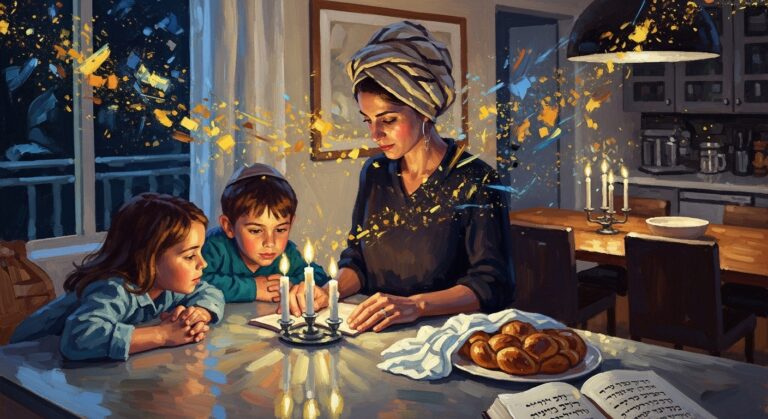
In our fast-paced, digitally-saturated world, what if one of the most meaningful acts of spiritual connection could happen right in your kitchen? For countless Jewish households, the weekly ritual of baking challah – the soft, braided bread for Shabbat – transcends simple cooking. It becomes a tangible, meditative practice of creating holiness in time. This ancient tradition, rooted in biblical commandments and rabbinic wisdom, offers a unique portal into mindfulness, gratitude, and intention. More than just making bread, challah baking is a hands-on spiritual exercise that weaves together physical action, sacred law, and personal reflection. Whether you’re an experienced baker or have never touched yeast, this guide explores how transforming flour, water, and yeast into a golden loaf can also transform your approach to rest, community, and the divine.
Quick Takeaways
- Challah baking is a physical mitzvah (commandment). The act of separating a portion of dough connects you to an ancient Temple practice and turns baking into sacred work.
- The braid is rich with symbolic meaning. Common shapes like three or six strands can represent truth, peace, harmony, and the intertwining of the weekday with the holiness of Shabbat.
- It’s a practice in mindfulness and intention (kavanah). The repetitive, tactile steps of kneading and braiding provide a natural space for meditation, prayer, or setting goals for the coming week.
- Customs vary, creating personal meaning. From the precise separation of the dough (hafrashat challah) to choices in sweetness or shape, each family’s tradition adds a layer of story and identity.
- You can start at any level of observance. The practice welcomes beginners, offering spiritual depth whether you follow all the traditional laws or simply want to bake with intention for your Friday night table.
What Is Challah? More Than Just Bread
In its most common usage today, challah refers to the slightly sweet, golden, braided loaf eaten on Shabbat (the Jewish Sabbath) and holidays. Historically, the term has a more specific meaning in Jewish law. The Torah commands: “You shall set aside a gift (terumah) for God from the first of your dough” (Numbers 15:20). This separated portion was given to the kohanim (priests) in Temple times. Today, in remembrance of that commandment, a small piece of dough (about the size of an olive) is pinched off and burned before baking. This ritual act is called hafrashat challah (separating the challah), and it is what technically defines the bread-making process as fulfilling this mitzvah (commandment).
So, challah is both the delicious end product and the sacred process itself. Baking it is considered one of three special mitzvot (commandments) entrusted specifically to Jewish women in traditional sources, alongside lighting Shabbat candles and observing family purity laws, though in modern times people of all genders embrace the practice. The Talmud (the central text of Rabbinic Judaism) even suggests a connection between this act and atonement, linking it to the story of Eve (Genesis Rabbah 17:8). Whether one follows all the technical laws or simply enjoys the ritual, the act of baking creates a direct link between the home kitchen and centuries of Jewish tradition and spirituality.
💡 Did You Know?
The characteristic braid of the challah loaf isn’t actually mandated by Jewish law. The braiding tradition likely developed in 15th-century Austria and Southern Germany, where local bakers shaped their enriched white bread (called berchisbrod) into braids. Jewish communities adopted and Judaized this beautiful form, infusing the strands with symbolic meaning for Shabbat.
The “Why”: Spiritual Meaning in Every Step
Challah baking functions as a profound spiritual practice because it engages the body, mind, and heart in a focused, creative act dedicated to sanctifying time. The great medieval scholar Maimonides (also known as Rambam) framed the purpose of such mitzvot as refining character and directing consciousness toward the divine. In his philosophical work, The Guide for the Perplexed, he explains that commandments involving physical actions are designed to establish truths in our minds and create consistent pathways for ethical and spiritual living.
Each stage of baking offers a metaphor for spiritual work. The combining of separate ingredients – flour, water, yeast, salt – symbolizes the unity we seek in our families, communities, and within ourselves. The waiting period for the dough to rise is an exercise in patience and trust, a tangible lesson that some of the most important transformations in life require us to step back and let processes unfold. The physical act of kneading can be a release for stress or a way to “work out” spiritual knots. Finally, the separation of the dough (hafrashat challah) is a concrete act of recognizing that our sustenance and creativity are not solely our own, but come with a responsibility to set aside a portion for a higher purpose. As contemporary Jewish educator Rivkah Slonim notes, this act elevates the entire baking process from the mundane to the sacred, making the kitchen a holy space.
Intention (Kavanah) in the Kitchen
Central to Jewish prayer and ritual is the concept of kavanah, often translated as “intention” or “direction of the heart.” Challah baking provides a unique canvas for cultivating kavanah. While kneading, one might focus on prayers for loved ones, meditate on a value like peace (shalom) or gratitude (hakarat hatov), or silently dedicate the loaf to the joy of the upcoming Shabbat. Some follow the custom of saying the Shema prayer or specific Psalms during the process. The key is moving from automatic action to mindful creation. This turns the baking from a chore into a moving meditation, where the rhythmic, sensory experience helps quiet the mind and open the heart.
The “How”: A Step-by-Step Guide to Mindful Baking
Here is a simplified guide to baking challah with intention. Remember, the goal is to engage in the process, not just race to the finish line. Let each step be an opportunity for reflection.
Step 1: Gathering Ingredients & Setting Intention
Before you measure a single cup of flour, take a moment to center yourself. You might say a simple blessing like, “L’shem mitzvat hafrashat challah” (for the sake of the commandment of separating challah). Gather your ingredients mindfully, considering their origins – the earth that grew the wheat, the rain that provided water. As you combine them, reflect on the diverse elements coming together to create something new and whole.
Step 2: Kneading & Meditation
Kneading is the heart of the physical practice. As you push, fold, and turn the dough, you can use the rhythm to focus your thoughts. Some ideas: With each push, let go of a worry from the past week. With each fold, bring to mind something you are grateful for. You can repeat a meaningful word or phrase silently. The dough’s transformation from shaggy to smooth and elastic is a powerful visual of inner work and integration.
Step 3: The Separation (Hafrashat Challah)
After the dough has risen once, comes the central ritual act. Take a piece of dough (about an olive’s size), hold it aloft, and recite the blessing: “Barukh atah Adonai, Eloheinu melekh ha’olam, asher kiddishanu b’mitzvotav vitzivanu l’hafrish challah.” (Blessed are You, Lord our God, Ruler of the Universe, who has sanctified us with commandments and commanded us to separate challah). Then, set this piece aside to be burned (often wrapped in foil and placed in the oven). This moment of giving something up connects your kitchen to Jewish history and acknowledges a source of blessing beyond yourself.
Step 4: Braiding & Symbolism
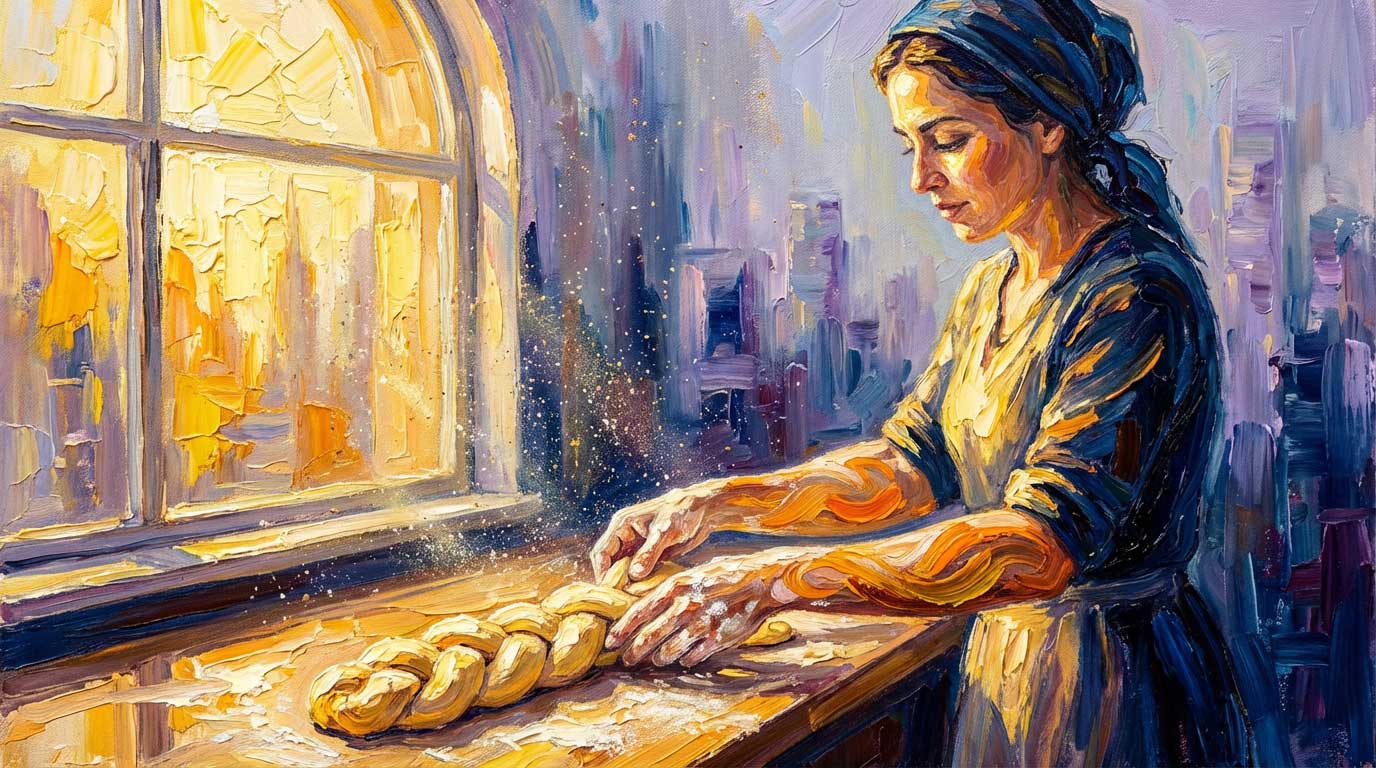
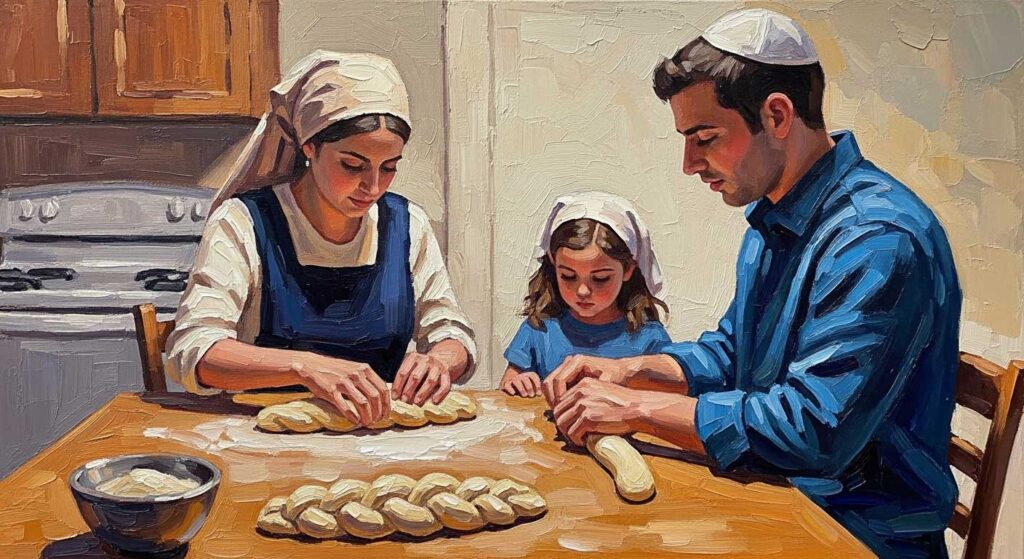
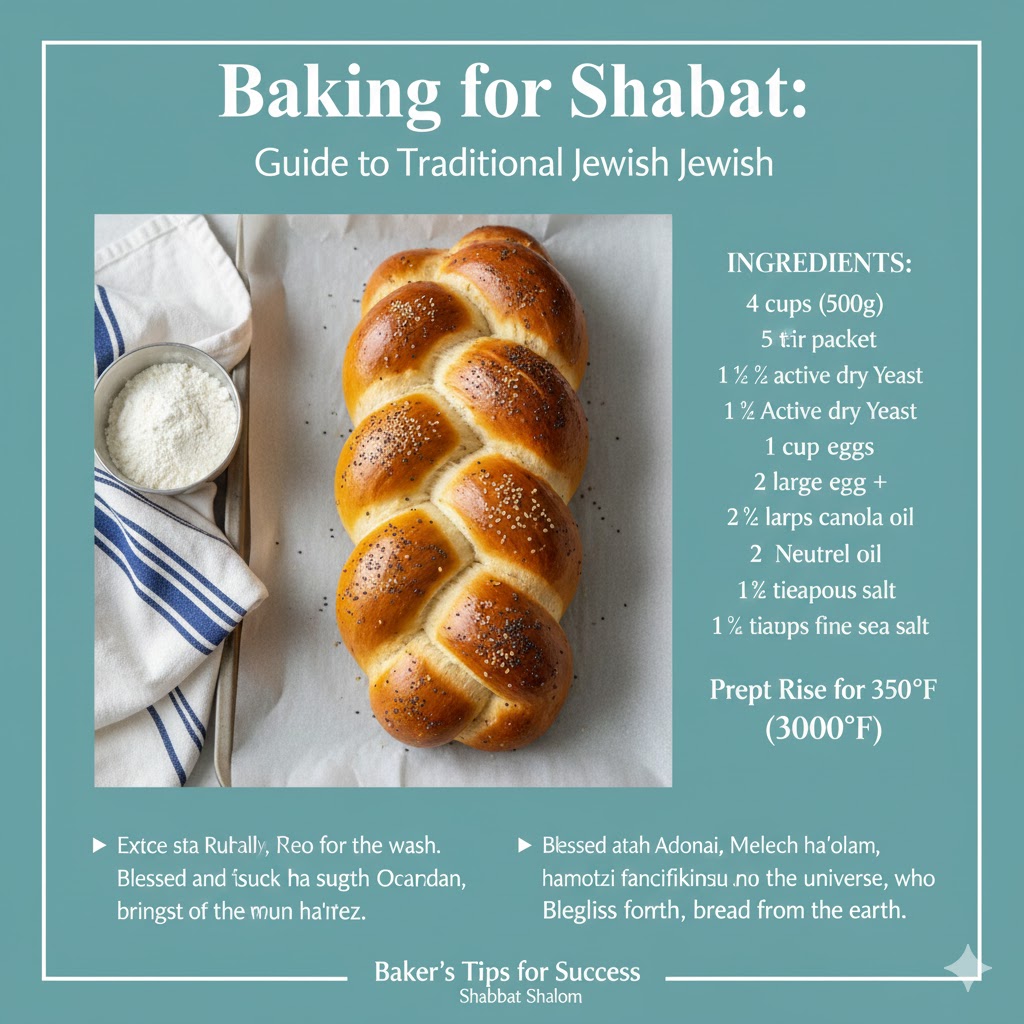
Braiding is where creativity and symbolism shine. A three-strand braid can symbolize truth, peace, and beauty. A six-strand braid is more complex and beautiful, representing the six days of the week woven together and elevated by Shabbat. As you braid, you can think about weaving together different aspects of your life – work and home, individual and community, giving and receiving. For detailed braiding tutorials, resources like Chabad.org offer excellent visual guides.
Step 5: Baking, Blessing, & Sharing
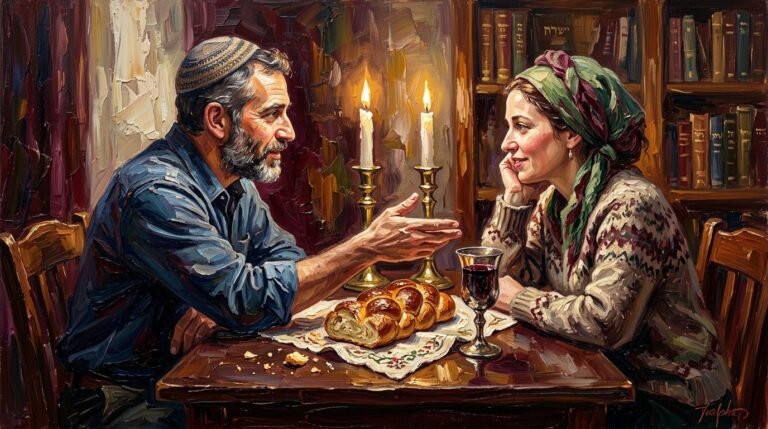
As your home fills with the aroma of baking bread, anticipate the joy it will bring. After baking, the challah is covered until the Shabbat meal, when it is uncovered and blessed with the Hamotzi blessing over bread. This final act of sharing the loaf with family or guests completes the cycle, transforming your spiritual practice into nourishment for others and cementing the bonds of community.
Putting This Into Practice
Integrating challah baking as a spiritual practice can be tailored to fit your life, whether you have hours or just a focused intention.
If you’re just starting: Don’t worry about a from-scratch recipe or the separation ritual. Begin by buying frozen challah dough. Focus on the braiding step. As you braid the thawed dough in your kitchen, take five quiet minutes to think about what you want to bring into your Shabbat – maybe peace, rest, or connection. This simple act of intentional shaping is a powerful entry point.
To deepen your practice: Commit to baking from scratch once a month. Follow a simple recipe and incorporate the step of separating a small piece of dough (you can just set it aside without the Hebrew blessing if that’s more comfortable). Use the kneading time as a dedicated pause from screens and noise. Join an online baking group or a synagogue challah bake for community and shared inspiration.
For serious exploration: Make challah baking a regular weekly or bi-weekly ritual. Learn the full halakha (Jewish law) surrounding hafrashat challah, including when the blessing is required (generally when using at least 5 lbs of flour). Study the different customs around shapes for holidays: round challah for Rosh Hashanah, ladder-shaped for Sukkot. Explore the teachings of Jewish mysticism (Kabbalah), which see the ingredients and process as representing divine attributes. You can find mystical insights alongside traditional laws on comprehensive sites like Sefaria.org.
Braiding Community and Continuity
Ultimately, challah baking as spiritual practice is about weaving threads – threads of time, tradition, and togetherness. In a dispersed modern world, the smell of challah baking can instantly connect us to memories of grandparents, to a sense of Jewish peoplehood, and to the timeless rhythm of the Jewish week. It democratizes holiness, asserting that the divine can be encountered not only in a synagogue but in the sensory, messy, creative space of the home kitchen. The loaf on the table is more than food; it is the physical result of your intention, your labor, and your link to a chain of tradition. It invites everyone at the table to pause, bless, and partake in something that is both ancient and freshly made. So, the next time you bake, remember: you’re not just making bread, you’re crafting a vessel for blessing, one braid at a time.
Frequently Asked Questions
- Q – Do I have to be Orthodox or even Jewish to bake challah as a spiritual practice?
- A – Not at all. While the practice is rooted in Jewish law and tradition, its elements of mindfulness, creativity, and gratitude are universal. Many people from various backgrounds find meaning in the ritual of intentional baking. Jewish communities welcome those interested in learning. The key is to approach the tradition with respect for its origins while finding your own authentic connection to the process.
- Q – What is the significance of burning a piece of the dough?
- A – Burning the separated piece (called challah) commemorates the biblical commandment to give a portion of dough to the priests in the Temple in Jerusalem. Since the Temple no longer stands, we cannot give it, so we destroy it respectfully instead. This act transforms the entire baking from a mundane activity into the fulfillment of a mitzvah, a sacred commandment, connecting your kitchen to ancient Jewish worship.
- Q – Can I bake challah if I don’t have time to do it every week?
- A – Absolutely. Jewish tradition values consistency but also understands modern constraints. The practice has value whether done weekly, monthly, for holidays, or even just once. The spiritual benefit comes from the quality of intention you bring, not the frequency. Many find that making it a special, less frequent ritual actually heightens the mindfulness and enjoyment of the process.
- Q – Why is challah typically braided?
- A – Braiding is a custom, not a law, but it’s rich with symbolism. The intertwined strands can represent love, truth, and peace woven together. They also symbolize the intertwining of the weekday and Shabbat holiness. Round challahs for Rosh Hashanah symbolize the cyclical nature of the year and a crown for God. The braid turns the loaf into a beautiful, edible symbol.
- Q – Where can I find a good beginner-friendly challah recipe?
- A – Excellent, tested recipes are available on many reputable Jewish educational websites. My Jewish Learning offers a clear, classic recipe with step-by-step instructions. These sites often provide helpful tips for troubleshooting common issues like dough not rising, ensuring your first baking experience is successful and meaningful.