Chol HaMoed Pesach: Finding Renewal in the Middle
How Shabbat Chol HaMoed Pesach Teaches Us to Transform Life’s In-Between Moments Into Sacred Opportunities
TL;DR: Shabbat Chol HaMoed Pesach combines the Torah’s most intimate revelation of God’s mercy with Ezekiel’s vision of resurrection. This special reading during Passover’s intermediate days shows how even mundane moments can become opportunities for profound spiritual renewal and community building.
Quick Takeaways
- Divine intimacy. Moses boldly requests to see God’s glory, receiving the 13 attributes of mercy that we still recite today.
- Second chances matter. After the Golden Calf crisis, the covenant is renewed with even greater depth and compassion.
- Community revival. Ezekiel’s dry bones vision connects directly to Passover themes of national rebirth and hope.
- Sacred ordinary. Chol HaMoed (intermediate festival days) teaches that holiness exists between peak spiritual moments.
- Practical mercy. The 13 attributes provide a concrete framework for practicing forgiveness in modern relationships.
- Festival sacrifices. Numbers 28 details communal offerings that built shared devotion during ancient Passover celebrations.
- Modern resonance. Post-pandemic renewal echoes the Torah’s message about rebuilding after collective trauma.
Life has a way of feeling stuck in the middle. Between the high of landing a new job and the daily grind of proving yourself. Between the joy of a relationship milestone and navigating everyday conflicts. Between spiritual peaks and the ordinary Tuesday afternoon when faith feels distant.
That’s exactly where Chol HaMoed Pesach (the intermediate days of Passover) finds us. This unique Shabbat reading acknowledges that most of life happens not in dramatic moments of liberation or crisis, but in the space between. Yet the Torah portion reveals something remarkable: these in-between times can become the most transformative of all.
The Bold Request: Moses Seeks Divine Intimacy
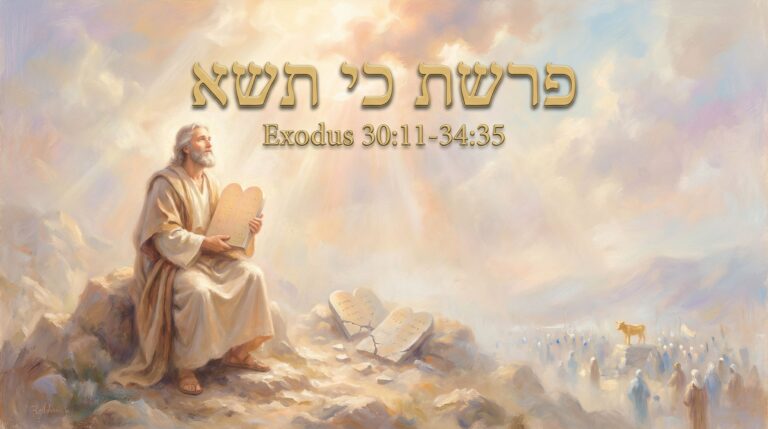
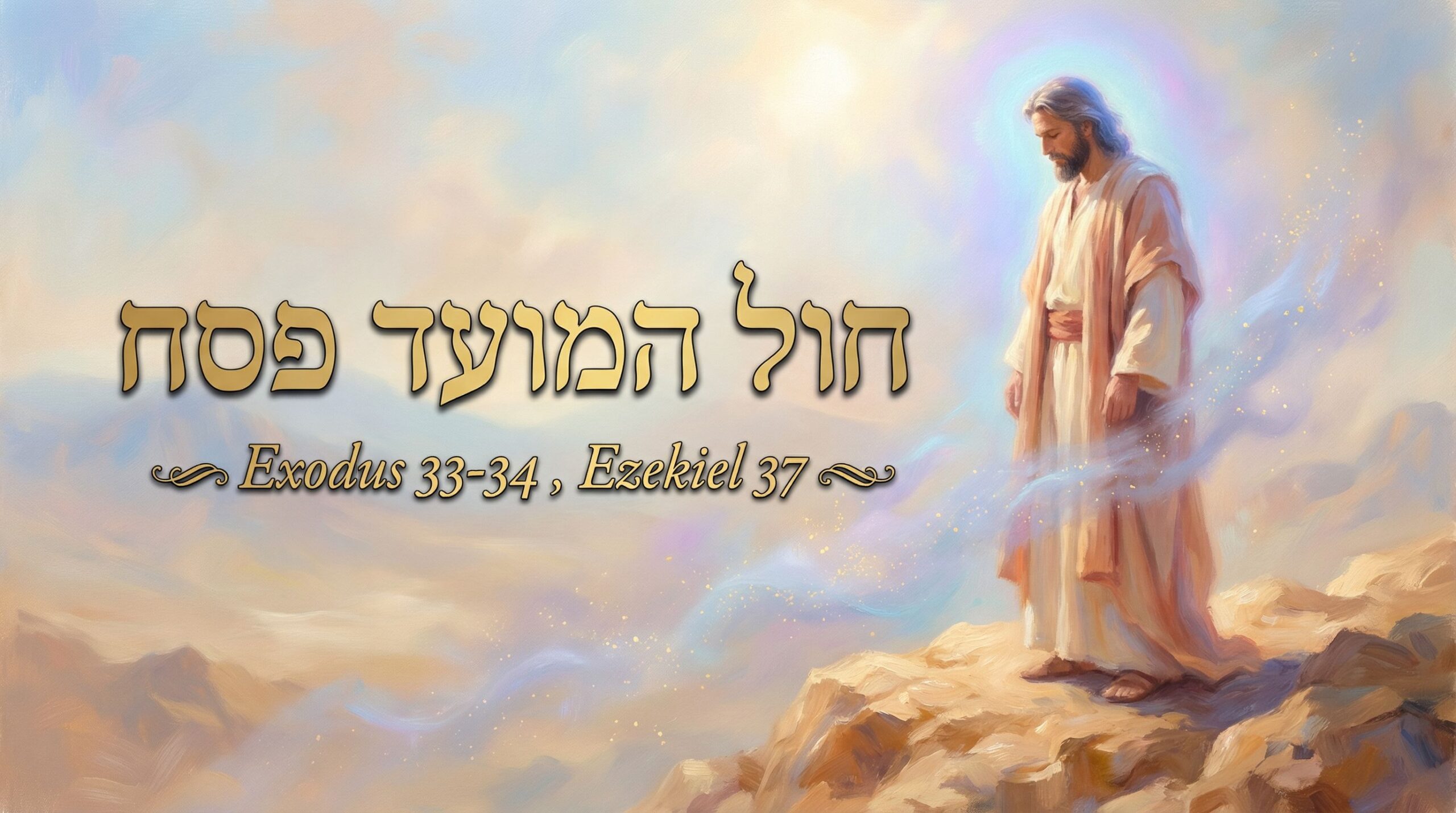
Picture this scene. Moses, fresh from the Golden Calf disaster, stands before God with an audacious request. “Show me, I pray, Your glory” (Exodus 33:18). It’s the kind of bold ask that would make most of us cringe with embarrassment. Who are we to demand such intimacy from the Divine?
Yet this vulnerability becomes the gateway to one of Judaism’s most treasured teachings. God responds not with rebuke but with revelation. The 13 attributes of mercy emerge from this raw moment of spiritual hunger.
“The LORD, the LORD God, merciful and gracious, slow to anger, and abundant in loving kindness and truth, keeping mercy for thousands, forgiving iniquity and transgression and sin” (Exodus 34:6-7). These words, according to the Talmud (Rosh Hashanah 17b), became the template for effective prayer throughout Jewish history.
Rashi explains that God essentially taught Moses a prayer formula, showing him how to invoke divine mercy in times of need. But there’s something deeper here. The revelation comes not during a moment of triumph but in the aftermath of failure, suggesting that our most broken moments often prepare us for the greatest breakthroughs.
From Golden Calf to Golden Opportunity
The timing of this reading during Passover is no accident. Just as the Israelites experienced redemption from slavery, we’re reminded that redemption often follows failure. The Golden Calf incident, fresh in the narrative’s memory, represents humanity’s tendency toward idolatry and spiritual regression.
But watch what happens next. Instead of ending the relationship, God deepens it. The second set of tablets, given after this intimate revelation, are said by some commentators to be even more precious than the first. Why? Because they emerged from a place of tested commitment rather than naive optimism.
Modern Jewish thinkers connect this pattern to contemporary experiences of renewal. Marriages that survive serious challenges often develop deeper intimacy. Communities that face crises together build stronger bonds. The post-pandemic world has given us countless examples of this principle in action.
The Midrash (Shemot Rabbah 46:1) beautifully describes God wrapping Himself like a prayer leader in a tallit to demonstrate these attributes to Moses. This image suggests that mercy isn’t just a divine characteristic but a practice we can embody. Every time we choose patience over anger or forgiveness over resentment, we’re wearing that same spiritual garment.
💡 Did You Know?
The gematria (numerological value) of “Chol HaMoed” (חול המועד) equals 120, the same as Moses’ lifespan. This connection links the intermediate days to Moses’ entire journey of leadership, suggesting that most of spiritual life happens in the “ordinary” moments rather than dramatic revelations.
Dry Bones and Living Hope: Ezekiel’s Passover Vision
The Haftarah (prophetic reading) for this Shabbat takes us from Sinai to Babylon, from Moses to Ezekiel. But the theme remains consistent: revival from the depths of despair. Ezekiel’s vision of dry bones speaks directly to a people who felt spiritually dead in exile.
“Can these bones live?” God asks the prophet. It’s the question every generation faces when looking at Jewish continuity, every individual confronts during personal crisis, every community asks when facing decline. Ezekiel’s answer is perfect: “O Lord GOD, You know.”
The vision unfolds in stages: bones connecting, sinews forming, flesh covering, breath entering. It’s not instant resurrection but gradual renewal. This speaks to how real transformation happens in our lives too. Healing from trauma, rebuilding after loss, reviving dormant dreams all happen step by step.
The Talmud (Sanhedrin 92b) debates whether this vision describes literal resurrection or metaphorical national revival. But for readers during Passover, both interpretations resonate. The festival celebrates not just historical redemption but ongoing renewal. Every year, we’re invited to experience our own exodus from whatever enslaves us.
Contemporary applications abound. Jewish communities decimated by assimilation find new life through creative programming. Interfaith families discover meaningful ways to blend traditions. Young adults who felt disconnected from their heritage return with fresh perspectives and energy.
Sacred Sacrifice and Modern Giving
The additional reading from Numbers 28:19-25 details the specific sacrifices offered during Passover. Two young bulls, one ram, seven lambs, various grain offerings the list might seem archaic to modern readers. But these prescriptions reveal something profound about community building.
Ancient sacrifices weren’t just individual acts of devotion but communal investments. Everyone contributed according to their ability, creating shared ownership in the festival experience. The detailed specifications ensured equality no one’s offering was more valuable than another’s in God’s eyes.
Today’s equivalent might be synagogue dues, Jewish Federation donations, or volunteer hours at community organizations. But the deeper principle applies beyond institutional giving. What are we willing to sacrifice for the values we hold dear? Time with family for career advancement? Personal comfort for social justice? Short-term pleasure for long-term meaning?
The Reform movement emphasizes the ethical dimension of these ancient practices. Rather than mourning the loss of Temple sacrifices, we can celebrate the evolution toward moral commitment and social action. Conservative Judaism balances respect for traditional forms with contemporary applications. Orthodox communities maintain both ritual observance and ethical imperatives.
Putting This Into Practice
If you’re just starting: Choose one of the 13 attributes (like patience or forgiveness) to focus on this week. When facing conflict, pause and ask: “How would I respond if I embodied this divine quality?” Keep a simple journal of these moments and notice patterns.
To deepen your practice: Create a weekly “renewal ritual” during ordinary times. Light candles on Wednesday evening and reflect on what felt “dead” in your week and what showed signs of new life. Share these observations with family or friends, building community around growth.
For serious exploration: Study the classical commentaries on Exodus 34:6-7 and develop your own understanding of how mercy and justice interact in personal relationships. Consider joining or starting a Jewish learning group focused on applying ancient wisdom to contemporary challenges.
The beauty of Chol HaMoed Pesach lies in its timing. Neither the intense preparation before Passover nor the dramatic celebration of freedom, but the quiet days between. These readings suggest that God meets us most intimately not in our peak moments but in our ordinary ones.
Moses found divine glory not during the splitting of the sea but during a vulnerable conversation on the mountain. Ezekiel saw resurrection not in Jerusalem’s Temple but in Babylon’s valley of bones. The festivals sacrifices created holiness not through extraordinary rituals but through shared, repeated acts of devotion.
Perhaps that’s the ultimate message of this unique Shabbat. Sacred transformation doesn’t require dramatic circumstances. It requires the courage to be vulnerable like Moses, the hope to see potential like Ezekiel, and the commitment to invest in community like the ancient festival-goers. In our own in-between moments moments that make up most of life we can find the same divine presence that our ancestors encountered.
As we continue counting the Omer (the 49-day period between Passover and Shavuot), we’re reminded that even the journey itself is sacred, not just the destinations. May this Shabbat Chol HaMoed Pesach inspire us to find renewal right where we are, transformation in the ordinary, and hope in the everyday miracle of being alive.
Frequently Asked Questions
- Q: What is the Torah reading for Shabbat Chol HaMoed Pesach?
- A: The Torah reading includes Exodus 33:12–34:26 (Moses receiving the 13 attributes of mercy) and Numbers 28:19–25 (Passover sacrifices), with Haftarah from Ezekiel 37:1–14 (dry bones vision).
- Q: Why is the vision of dry bones read during Pesach?
- A: Ezekiel’s dry bones vision symbolizes national revival and resurrection, perfectly complementing Passover themes of redemption and renewal from spiritual death to vibrant life.
- Q: What are the 13 attributes of mercy?
- A: The 13 attributes from Exodus 34:6–7 describe God as merciful, gracious, slow to anger, abundant in loving kindness, forgiving iniquity, and maintaining justice across generations.
- Q: How can I observe Chol HaMoed Pesach practically?
- A: Focus on finding sacred moments in ordinary days, practice the divine attributes in relationships, and engage in community renewal activities that build Jewish life.
- Q: Is there a common misconception about the Golden Calf in this reading?
- A: Many see the Golden Calf as pure failure, but this reading shows how it became the catalyst for deeper divine intimacy and the revelation of mercy.