Parashat Tzav: Sacred Service and Leadership
Parashat Tzav: Sacred Service and Leadership
How This Week’s Torah Portion Transforms Ancient Priestly Duties Into Modern Lessons About Dedication, Service, and Maintaining Your Inner Fire
TL;DR: Parashat Tzav commands Moses to instruct the priests in their sacred duties, from maintaining the eternal flame to conducting various offerings. While we no longer perform these ancient rituals, their deeper message about dedicated service, spiritual leadership, and keeping our inner fire burning remains profoundly relevant for anyone seeking to live with purpose and commitment.
Quick Takeaways
- Command implies urgency. The word “tzav” suggests that sacred work requires both divine command and personal motivation.
- Eternal flame never dies. The altar fire that burned continuously represents our need for consistent spiritual practice.
- Five types of offerings. Different sacrifices addressed various human needs, from gratitude to atonement.
- Priestly ordination takes seven days. True leadership preparation requires time, patience, and proper consecration.
- Shabbat HaGadol connection. This portion’s timing before Passover emphasizes themes of preparation and freedom.
- Service brings reward. The priests received portions from the offerings, teaching that sacred work sustains those who perform it.
- Community over individual. These rituals created shared experiences that bound the Israelite community together.
Have you ever started something with great enthusiasm, only to watch your motivation slowly fade? Maybe it was a fitness routine, a creative project, or even a spiritual practice. We begin with fire in our hearts, but somehow that flame dims over time. This universal human struggle lies at the very heart of Parashat Tzav, where God commands Moses to ensure that the altar’s fire “shall not go out” (Leviticus 6:6).
Parashat Tzav opens with an unusual urgency. Rather than simply saying “tell Aaron,” God uses the Hebrew word “tzav,” which Sefaria’s classical commentaries explain carries the meaning of zealous urging. This isn’t just instruction, it’s motivation with a promise of reward. The priests weren’t expected to serve out of pure altruism; they received twenty-four priestly gifts as compensation for their sacred work.
The Five Sacred Offerings: More Than Ancient Ritual
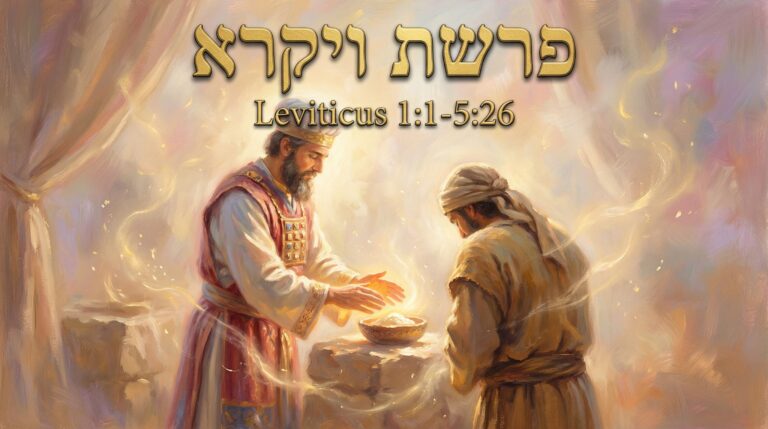
Parashat Tzav details five distinct types of offerings, each serving a different spiritual and communal need. The burnt offering (olah) rose entirely as smoke, symbolizing complete dedication to God. The meal offering (mincha) consisted of grain and oil, representing the fruits of human labor offered back to their divine source. The sin offering (chatat) and guilt offering (asham) addressed different categories of wrongdoing, while peace offerings (shelamim) celebrated gratitude and fellowship.
According to Chabad’s commentary, Rashi teaches that the word “tzav” specifically appears when the command involves financial loss, requiring extra encouragement. The priests needed motivation because some offerings provided them with no material benefit. This insight reveals something profound about human nature: even those called to sacred service need both spiritual inspiration and practical support.
The Talmud in Zevachim (62b) discusses the precise order of these sacrificial procedures, emphasizing that the priests couldn’t simply improvise. Every detail mattered, from the timing to the specific portions reserved for the altar versus those given to the priests. This meticulous attention to detail reflects a deeper truth: meaningful service requires both passion and discipline.
Aaron’s Seven-Day Ordination: A Masterclass in Leadership Preparation
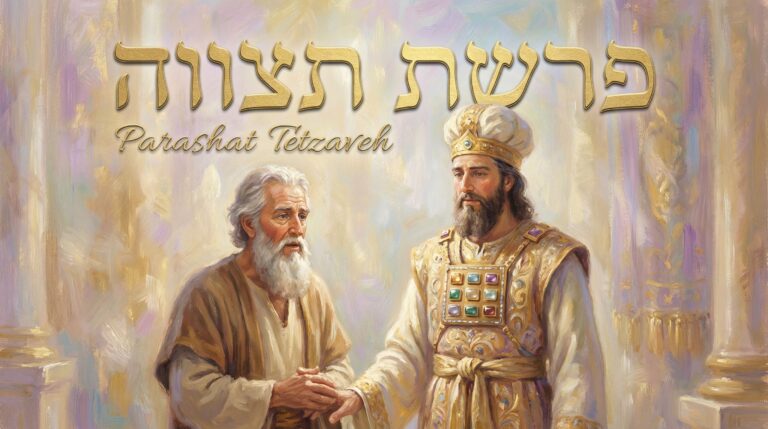
Perhaps the most striking element of Parashat Tzav is the week-long ordination ceremony for Aaron and his sons. They couldn’t simply show up one day and begin their priestly duties. Instead, they underwent seven days of preparation, isolation, and gradual introduction to their responsibilities.
💡 Did You Know?
Tzav is one of only two Torah portions that begin with a direct command (the other being Shemini). The word “tzav” shares its root with “mitzvah,” literally connecting divine commands to sacred action. This linguistic connection suggests that every commandment contains within it the power to transform both the individual and the community.
Modern leadership development has rediscovered many principles that appear in Aaron’s ordination. The seven-day process mirrors contemporary practices like executive onboarding, mentorship programs, and leadership retreats. Moses didn’t just hand Aaron the priestly garments and wish him luck; he guided him through a structured preparation that included both practical training and spiritual transformation.
MyJewishLearning explains that this ordination ceremony established a pattern of careful preparation before assuming sacred responsibilities. In our time, we might ask: How do we prepare people for roles that affect others’ wellbeing? Whether it’s parenting, teaching, counseling, or community leadership, the Torah’s model suggests that good intentions alone aren’t sufficient.
The Eternal Flame: Maintaining Spiritual Momentum
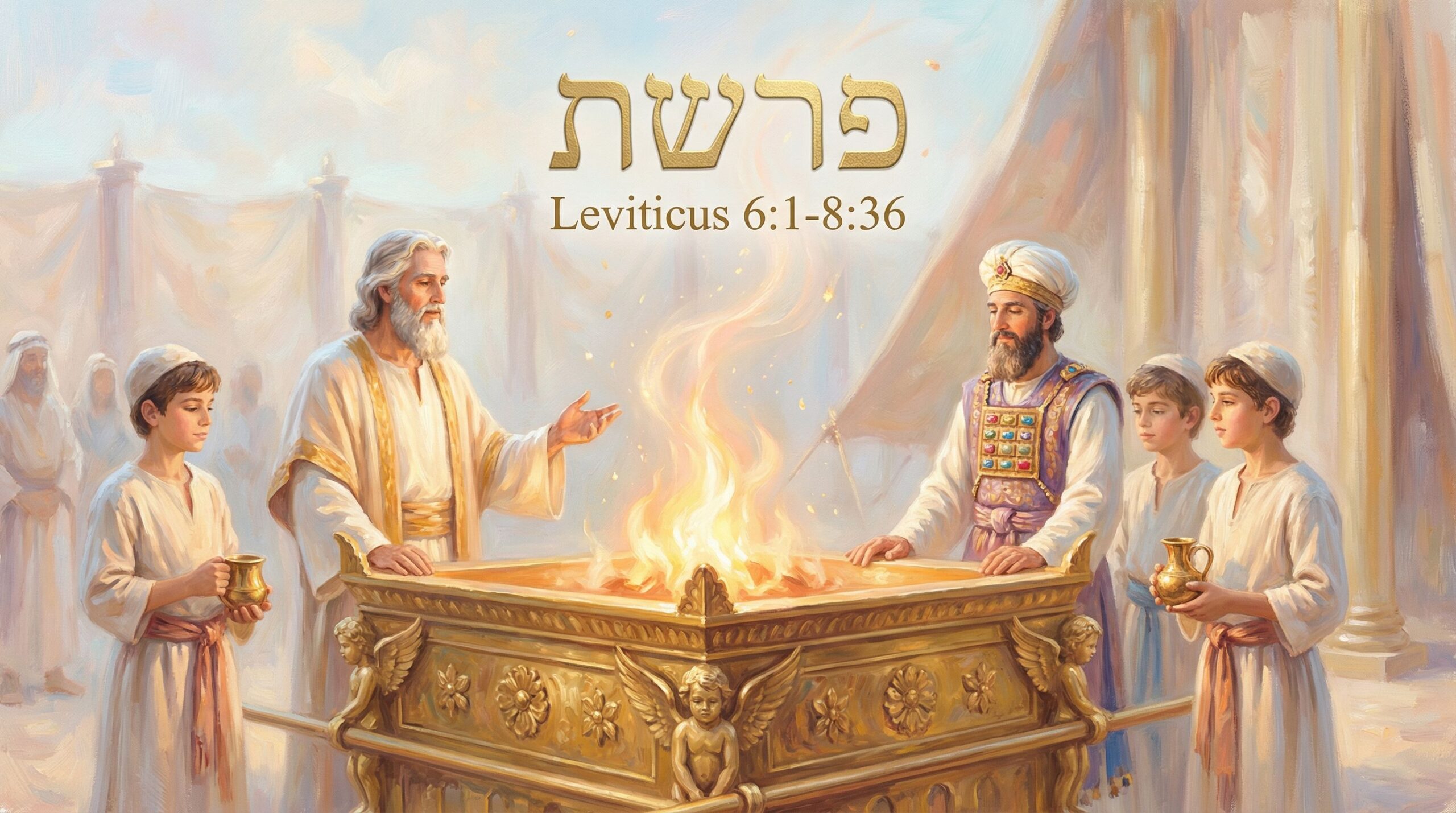
“A perpetual fire shall be kept burning on the altar; it shall not go out” (Leviticus 6:6). This command appears multiple times in Parashat Tzav, emphasizing its critical importance. But why was this fire so essential? Ramban suggests that the continuous flame represented the enduring relationship between the divine and human realms. Sforno takes this further, interpreting the perpetual fire as representing the eternal light of Torah study and spiritual growth.
In practical terms, keeping a fire burning continuously required careful attention and planning. Someone had to add wood at the right moments, neither too much nor too little. The priests couldn’t let their guard down, even during festivals or times of distraction. This mirrors our own spiritual challenges: How do we maintain our commitments when life gets busy? How do we keep our values alive when the world seems to pull us in different directions?
The Conservative movement often emphasizes this continuity aspect of Jewish practice, seeing in the eternal flame a model for maintaining tradition across generations while adapting to new circumstances. Reform Judaism focuses more on the moral imperative the flame represents: our responsibility to keep the light of justice and compassion burning in a world that often seems dark.
Shabbat HaGadol: Connecting Tzav to Freedom
Parashat Tzav is traditionally read on Shabbat HaGadol, the Sabbath immediately before Passover. The special haftarah (prophetic reading) comes from Malachi 3:4-24, with its famous promise: “Behold, I will send you Elijah the prophet before the coming of the great and terrible day of the Lord” (Malachi 3:23). This connection isn’t accidental.
Hebcal notes that the themes of Tzav—service, preparation, and transformation—naturally lead into Passover’s message of liberation. The priests’ careful preparation mirrors our own spiritual preparation for the festival of freedom. Just as Aaron couldn’t become a priest overnight, we can’t achieve spiritual freedom without proper preparation and ongoing commitment.
The juxtaposition also highlights a tension that runs through Jewish thought: the balance between structure and liberation, law and freedom, service and autonomy. Our own spiritual practices might seem restrictive, but they often provide the foundation for genuine freedom and growth. Similarly, our own spiritual practices might seem restrictive, but they often provide the foundation for genuine freedom and growth.
Putting This Into Practice
Here’s how to bring this ancient wisdom into your daily life:
If you’re just starting: Choose one small daily practice–it could be three minutes of meditation, a gratitude journal entry, or simply lighting a candle each evening. Like the priests tending the altar fire, consistency matters more than intensity. Commit to keeping your chosen “flame” burning for just one week.
To deepen your practice: Identify an area where you serve others (parenting, volunteering, work leadership) and create a preparation ritual. Before important conversations or responsibilities, take time to center yourself spiritually and ethically. Consider how the priests’ seven-day ordination might inform your approach to new roles or challenges.
For serious exploration: Study the different types of offerings as a framework for examining your relationships with gratitude, forgiveness, and community. When do you need to make amends (like a guilt offering)? When should you express pure appreciation (like a peace offering)? Let these ancient categories guide your spiritual housekeeping.
The genius of Parashat Tzav lies not in its detailed ritual prescriptions, but in its recognition that human beings need both inspiration and structure, both divine command and practical motivation. The priests couldn’t maintain the altar fire through willpower alone–they needed a system, community support, and tangible rewards for their service.
As we prepare for Passover, carrying the lessons of Tzav with us, we’re reminded that true freedom isn’t the absence of commitment, but the ability to choose our commitments wisely and maintain them faithfully. The eternal flame that once burned on the ancient altar can still burn within us, guiding our service to something greater than ourselves while sustaining our own spirits in the process.
Whether we follow Orthodox, Conservative, or Reform interpretations of these ancient teachings, the fundamental challenge remains the same: How do we keep our inner fire burning, not just for moments of inspiration, but for the long journey of a meaningful life? Parashat Tzav suggests that the answer lies in combining divine calling with human community, sacred purpose with practical support, and careful preparation with unwavering commitment.
Frequently Asked Questions
- Q: What is the main theme of Parashat Tzav?
- A: Sacred service and dedication, focusing on priestly duties and maintaining spiritual commitment through consistent practice and proper preparation.
- Q: Why is Tzav read on Shabbat HaGadol?
- A: The themes of preparation and service in Tzav connect naturally to Passover’s message of freedom, emphasizing spiritual preparation before liberation.
- Q: What are the different offerings in Tzav?
- A: Five types: burnt offerings, meal offerings, sin offerings, guilt offerings, and peace offerings, each addressing different spiritual and communal needs.
- Q: How can the lessons of Tzav apply to daily life?
- A: By maintaining consistent spiritual practices, preparing thoughtfully for leadership roles, and balancing structure with freedom in our commitments.
- Q: What does the eternal flame represent?
- A: Continuous spiritual commitment and the need for consistent practice to maintain our relationship with the divine and our values.