Parashat Vayikra: Ancient Wisdom for Modern Growth
Parashat Vayikra: Ancient Wisdom for Modern Growth
How This Week’s Torah Portion Transforms Our Understanding of Mistakes, Humility, and Drawing Close to What Matters Most
TL;DR: Parashat Vayikra introduces the ancient sacrificial system with surprising lessons about humility, confession, and spiritual closeness. Though we no longer bring offerings to the Temple, this Torah portion offers a blueprint for transforming our mistakes into opportunities for growth and connection.
Quick Takeaways
- Divine humility. The small aleph in “Vayikra” teaches that even receiving sacred wisdom requires modesty.
- Five types of offerings. Each korban (sacrifice) served different spiritual purposes, from gratitude to atonement.
- Confession is key. The Torah emphasizes acknowledging unintentional mistakes as the first step toward healing.
- Drawing near. The word “korban” literally means “to bring close,” highlighting relationship over ritual.
- Modern applications. These ancient practices translate into powerful tools for personal growth today.
- Multiple perspectives. Different Jewish movements find varied meanings in these sacrificial laws.
- Accessible wisdom. You don’t need extensive background to apply Vayikra’s lessons to daily life.
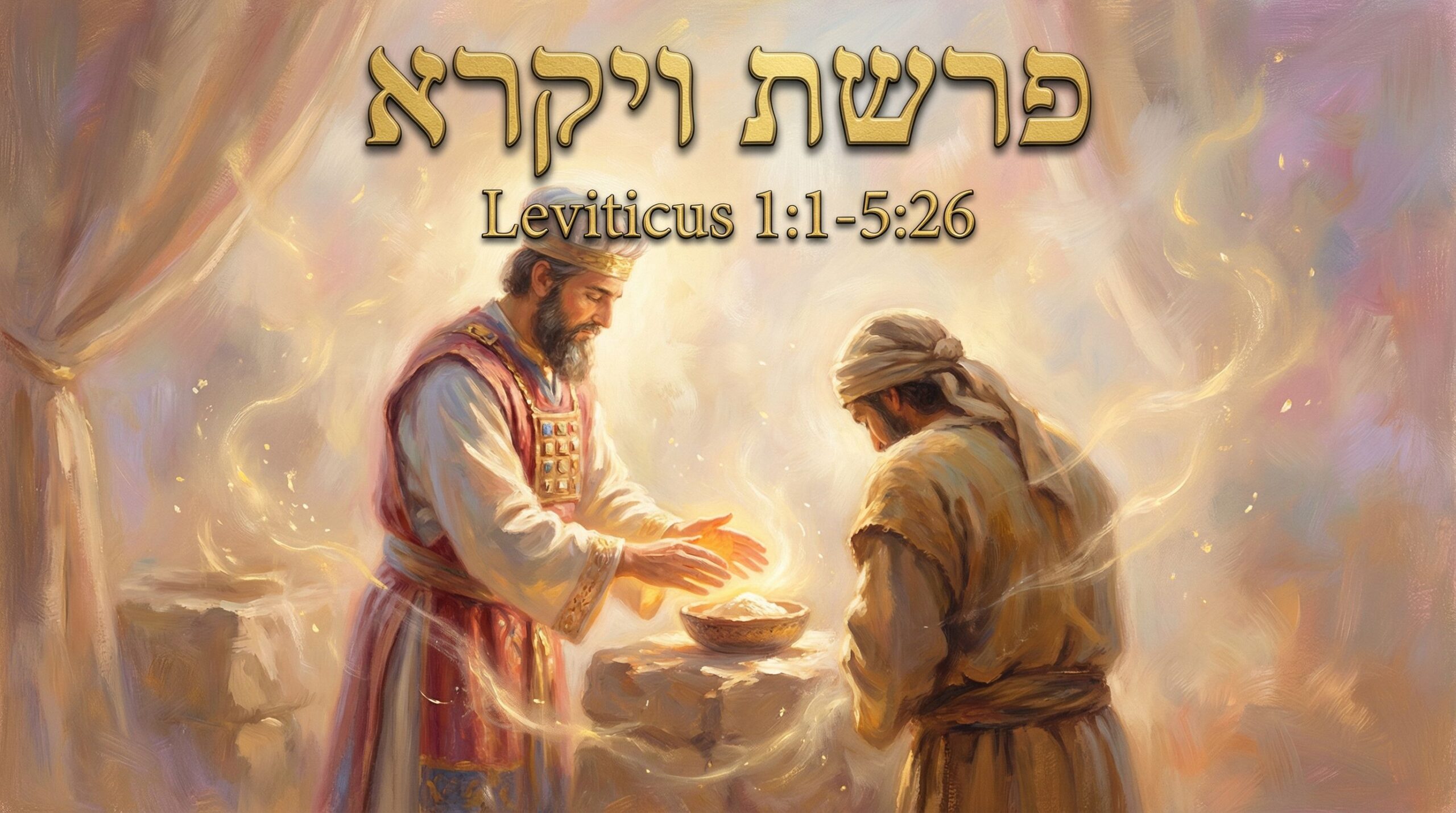
When was the last time you messed up without meaning to? Said something hurtful in frustration, forgot an important commitment, or let your emotions get the better of you? We live in a culture that often treats mistakes as failures, but this week’s Torah portion offers a radically different perspective. Parashat Vayikra (Leviticus 1:1-5:26) opens the book of Leviticus with detailed instructions about korbanot (sacrificial offerings), and while animal sacrifice might seem foreign to modern life, the underlying wisdom speaks directly to our contemporary struggles with guilt, growth, and genuine connection.
The portion begins with an intimate moment: “And the Lord called unto Moses, and spoke unto him out of the tent of meeting” (Leviticus 1:1). This calling launches us into what might seem like the most technical section of the Torah, yet careful study on Sefaria reveals profound insights about human nature and spiritual development that remain startlingly relevant today.
The Mystery of the Small Aleph: Humility as Foundation
Before we explore the sacrificial system itself, we must pause at a peculiar detail that has fascinated Jewish commentators for centuries. In traditional Torah scrolls, the aleph at the end of “Vayikra” is written smaller than the other letters. This isn’t a scribal error but an intentional tradition that carries deep meaning.
According to Chabad’s commentary, this small aleph represents Moses’ humility. Despite being chosen to receive these sacred laws, Moses approached the task with modesty rather than pride. The Midrash explains that God’s call was gentle, almost whispered, showing divine sensitivity to Moses’ humble nature.
This detail transforms our understanding of the entire portion. The laws that follow aren’t just about ritual procedures but about approaching the sacred with the right attitude. In our achievement-oriented culture, where confidence often trumps humility, the small aleph reminds us that true wisdom begins with recognizing how much we don’t know.
The gematria (numerical value) of “Vayikra” equals 271, which also equals the Hebrew phrase “ani shafel” (I am humbled). This mathematical connection reinforces the theme that spiritual growth requires setting aside ego in favor of genuine openness to learning and change.
Understanding the Five Types of Korbanot: A System of Spiritual Connection
The Torah outlines five primary types of offerings, each serving different spiritual and psychological functions. Rather than viewing these as primitive rituals, we can understand them as a sophisticated system for maintaining relationship with the divine and with ourselves.
The olah (burnt offering) represents complete devotion. As described in Leviticus 1:9, “the priest shall burn the whole on the altar, for a burnt offering, an offering made by fire, of a sweet savour unto the Lord.” This total consumption symbolizes giving oneself entirely to a higher purpose. In modern terms, we might think of this as those moments when we dedicate ourselves fully to something meaningful, whether it’s caring for family, pursuing justice, or serving our community.
The minchah (meal offering) consisted of flour, oil, and frankincense. Unlike animal sacrifices, this offering was accessible to everyone, regardless of economic status. It teaches us that spiritual connection doesn’t require grand gestures, sometimes the simplest offerings of our time and attention are the most precious.
The shelamim (peace offerings) were partially consumed on the altar and partially shared in a communal meal. This sacrifice emphasized relationship and celebration. Today, we might recognize this in how sharing meals creates bonds and how celebrating life’s good moments deepens our connections with others and with the sacred.
Most relevant to our daily experience are the chatat (sin offering) and asham (guilt offering), brought for unintentional transgressions. The Torah states, “And it shall be, when he shall be guilty in one of these things, that he shall confess that wherein he hath sinned” (Leviticus 5:5). Notice that confession comes first, before any ritual action. This emphasizes that acknowledging our mistakes honestly is the crucial first step in any healing process.
💡 Did You Know?
The word “korban” comes from the Hebrew root karav, meaning “to draw near.” This etymology reveals that the primary purpose of sacrifices wasn’t appeasement but relationship. They were designed to create closeness between the individual and God, which helps explain why prayer replaced sacrifice after the Temple’s destruction – both serve the same fundamental function of connection.
Classical Wisdom: What Our Sages Taught About Vayikra
Jewish commentators throughout history have found layers of meaning in these seemingly straightforward laws. Rashi, the most famous Torah commentator, focuses on the small aleph as teaching divine gentleness. God didn’t command Moses harshly but called to him with love and respect, modeling how we should approach both divine wisdom and human relationships.
Ramban (Nachmanides) offers a psychological insight into the sin offerings. He suggests that the worshiper identifies with the animal being sacrificed, recognizing that their mistakes have consequences and that change requires genuine transformation. This isn’t about punishment but about taking responsibility seriously enough to change behavior.
Ibn Ezra emphasizes the etymology of korban, noting that sacrifice literally means “drawing near.” This linguistic insight helps us understand that the goal was never the ritual itself but the spiritual closeness it fostered. MyJewishLearning explains how this concept bridges ancient and modern practice: whether through sacrifice, prayer, or ethical action, the goal remains the same, creating meaningful connection with the sacred.
The Talmud (Yoma 39b) teaches that “sacrifices draw one near to God,” but it also emphasizes that without proper intention, ritual becomes meaningless. This balance between action and attitude runs throughout Jewish thought and remains crucial for anyone seeking authentic spiritual growth today.
Vayikra Across Jewish Movements: Multiple Lenses, Shared Wisdom
Different Jewish denominations approach Parashat Vayikra with varying perspectives, yet all find relevant wisdom in its teachings. Orthodox Judaism maintains a literal understanding of the korbanot’s atoning power and anticipates the rebuilding of the Temple when sacrifices will resume. This perspective emphasizes continuity with ancient practice and the enduring power of traditional ritual.
Conservative Judaism takes a more historical-critical approach, viewing the sacrificial system within its ancient context while extracting ethical principles for contemporary life. Conservative thinkers often emphasize how the confession required for sin offerings laid the groundwork for the teshuvah (repentance) process that remains central to Jewish practice today.
Reform Judaism tends to interpret the sacrifices metaphorically, seeing them as symbols of self-improvement and commitment to justice. From this perspective, the “sacrifice” we’re called to make is giving up selfish behaviors in favor of ethical living and social responsibility.
Despite these differences, all movements agree on core principles: the importance of acknowledging mistakes, the value of humility, and the goal of drawing closer to what we hold sacred. These shared insights make Vayikra’s wisdom accessible regardless of one’s specific Jewish background or level of observance.
Ancient Atonement, Modern Applications: Living Vayikra Today
Without a Temple, how do we apply Vayikra’s lessons about sacrifice and atonement? The answer lies in understanding the deeper purposes these rituals served and finding contemporary ways to fulfill those same spiritual needs.
The confession required for sin offerings translates directly into modern psychological practice. Research shows that acknowledging mistakes reduces anxiety and promotes personal growth, exactly what the Torah prescribed thousands of years ago. Consider keeping a weekly journal where you honestly assess unintentional hurts you’ve caused or opportunities you’ve missed to act with greater kindness.
The concept of korban as “drawing near” suggests that any action undertaken to deepen meaningful relationships serves the same function as ancient sacrifice. This might mean dedicating time to study, volunteering for causes you care about, or simply being more present in conversations with loved ones.
The small aleph’s lesson about humility has particular relevance in our social media age, where self-promotion often overshadows genuine accomplishment. Practicing intellectual humility – being open to changing your mind when presented with new information – honors the same wisdom Moses demonstrated in approaching divine instruction.
The different types of offerings remind us that spiritual life requires variety. Sometimes we need the total commitment of a burnt offering, dedicating ourselves completely to important goals. Other times we need the community connection of peace offerings, sharing celebrations and sorrows with others. And regularly, we need the honest self-assessment of sin offerings, acknowledging where we’ve fallen short and committing to growth.
Putting This Into Practice
If you’re just starting: Begin each week by identifying one unintentional mistake you made and spend five minutes reflecting on how you might handle similar situations differently. This mirrors the confession aspect of sin offerings without requiring any specific religious framework.
To deepen your practice: Create a monthly practice of “modern korbanot” by dedicating time or resources to something meaningful. This might be volunteering, learning something new, or having difficult but necessary conversations with people you care about. Focus on the intention of drawing closer to your values.
For serious exploration: Study the detailed laws of korbanot with traditional commentaries, available on Sefaria, to understand how ancient wisdom addresses contemporary psychological and spiritual challenges. Consider how different types of offerings might correspond to different areas where you want to grow.
Parashat Vayikra teaches us that mistakes aren’t failures but opportunities for deeper connection – with ourselves, with others, and with whatever we consider sacred. The ancient priests who performed these rituals understood something we’re rediscovering today: that acknowledging imperfection with humility opens the door to authentic growth and meaningful relationship.
As we navigate our own complicated lives, full of unintentional hurts and missed opportunities, the small aleph reminds us to approach both our mistakes and our wisdom with modesty. The detailed laws of korbanot offer not just historical insight but practical guidance for anyone seeking to transform ordinary moments into opportunities for spiritual elevation. Whether or not we ever see the Temple rebuilt, we can begin today to draw near to what matters most through the ancient art of humble offering.
Frequently Asked Questions
- Q: What is Parashat Vayikra about?
- A: Parashat Vayikra details the sacrificial offerings brought to the ancient Temple, including burnt offerings, meal offerings, peace offerings, and sin offerings for unintentional transgressions.
- Q: Why is the aleph in Vayikra written small?
- A: The small aleph teaches humility, representing how Moses approached receiving divine wisdom with modesty rather than pride.
- Q: What are the different types of sacrifices in Vayikra?
- A: The five main types are olah (burnt offering), minchah (meal offering), shelamim (peace offering), chatat (sin offering), and asham (guilt offering).
- Q: How can I apply Vayikra’s lessons on atonement today?
- A: Practice honest self-reflection about unintentional mistakes, focus on confession and acknowledgment, and seek to draw closer to what you hold sacred.
- Q: What does korban mean in Hebrew?
- A: Korban comes from the root karav meaning ‘to draw near,’ emphasizing that sacrifices were primarily about creating closeness with the divine.